





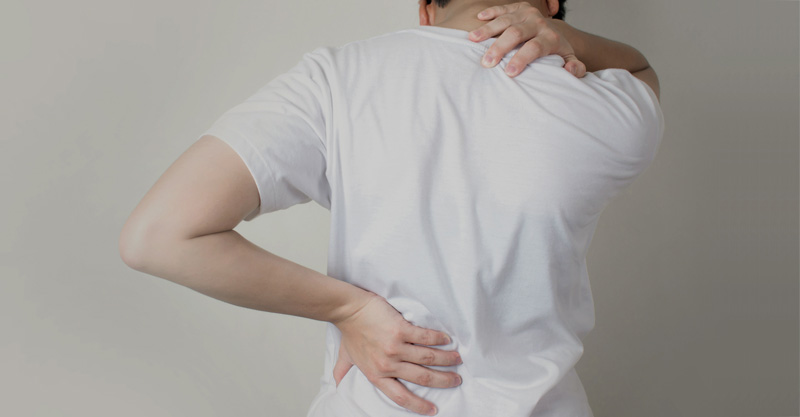
A slip disc, also called a herniated disc or prolapsed disc, is one of the leading causes of back and neck pain. At DSpine Clinic, our team of highly experienced spine specialists and surgeons provides the best slip disc treatment in Mumbai, using advanced diagnostic techniques and evidence-based treatment options.
What is a Slip Disc?
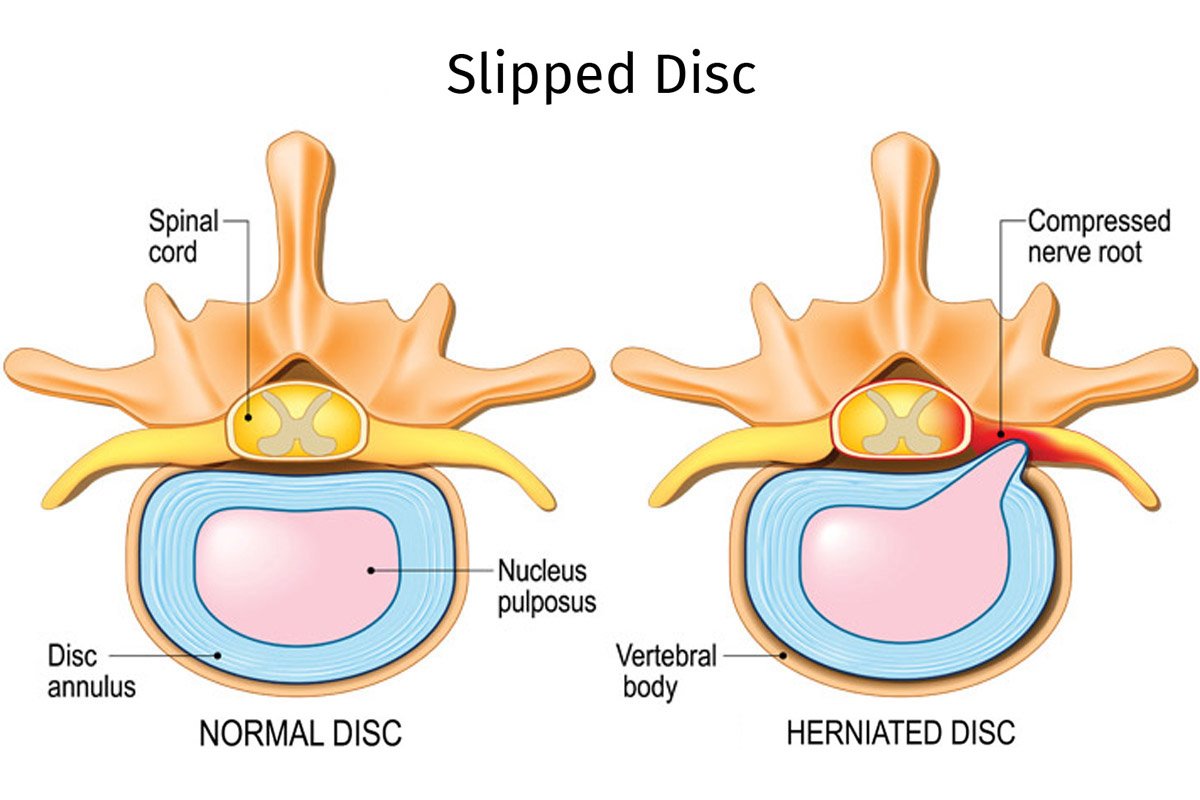
The spine is made up of vertebrae cushioned by soft intervertebral discs that act as shock absorbers. A slip disc occurs when the soft inner portion of a disc (nucleus pulposus) bulges or leaks out through a tear in the tougher outer ring (annulus fibrosus).
This bulging disc can compress nearby spinal nerves, causing pain, numbness, tingling, or weakness in the back, neck, arms, or legs. If you are searching for a slip disc specialist in Mumbai, our experts at D Spine Clinic can help you with accurate diagnosis and advanced treatment.
Types of Slip Disc Conditions
Our spine specialists classify slipped discs based on region and severity:
- Cervical Slip Disc (Neck)
- Causes neck pain, stiffness, and radiating pain to the shoulders, arms, and hands
- May cause weakness in grip or arm muscles
- Lumbar Slip Disc (Lower Back)
- Most common type
- Causes lower back pain, sciatica, leg numbness, weakness
- Thoracic Slip Disc (Mid-Back)
- Rare but may occur due to trauma or degeneration
- Causes pain around the chest wall or rib cage
- Acute Slip Disc
- Sudden onset, usually due to injury or lifting
- May resolve with conservative management
- Chronic Slip Disc
- Long-standing herniation with progressive symptoms
- Often requires advanced interventions
What Causes a Slip Disc?
Slipped discs can result from:
- Age-related disc degeneration
- Sudden injury or trauma
- Poor posture or ergonomics
- Heavy lifting or repetitive strain
- Obesity and sedentary lifestyle
- Genetic predisposition
Common Symptoms of a Slipped Disc
- Persistent back or neck pain
- Sciatica – shooting pain radiating from the lower back down one or both legs
- Numbness, tingling, or burning sensations in the arms or legs
- Weakness in specific muscles
- Difficulty in walking, bending, or lifting
- In severe cases: loss of bladder/bowel control (medical emergency)
If you are experiencing these symptoms, consult the best doctor for slip disc in Mumbai at D Spine Clinic for timely intervention.
Slipped Disc Treatment Options in Mumbai
We offer both non-surgical and surgical treatments based on the severity of the condition:
1. Conservative Treatment
- Pain management with medications
- Physiotherapy and guided exercises
- Posture correction and lifestyle changes
- Epidural steroid injections for inflammation relief
2. Minimally Invasive Spine Surgery
- Microdiscectomy
- Endoscopic discectomy
- Navigation-assisted and robotic spine surgery
- Spinal decompression and fusion (if needed)
These procedures involve smaller incisions, less tissue disruption, and faster recovery.
Diagnosis at Our Slip Disc Clinic in Mumbai
- Detailed medical history to understand symptoms and lifestyle factors
- Physical and neurological examination to assess mobility, reflexes, and nerve function
- X-rays to evaluate spinal alignment and rule out fractures
- MRI scans to visualize disc herniation and nerve compression
- CT scans for detailed bone and disc structure analysis, if required
- Nerve conduction studies to assess nerve damage in complex cases
- Identification of the root cause to guide personalized treatment planning
Why Choose D Spine Clinic for Slip Disc Treatment in Mumbai?
- Specialized Spine Expertise: Dedicated slip disc specialists in Mumbai with years of experience
- Advanced Technology: Robotics, endoscopy, navigation for minimally invasive treatment
- Comprehensive Care: Diagnosis, treatment, rehabilitation — all under one roof
- Patient-Centered Approach: Personalized treatment plans for long-term recovery
- Proven Outcomes: Thousands of successful spine surgeries and non-surgical treatments
- Rehabilitation Support: Post-treatment physiotherapy and lifestyle guidance
FAQ
Yes, in many cases, symptoms improve with conservative treatment over weeks to months.
If pain persists beyond 6–8 weeks, or if there is progressive weakness, numbness, or bladder/bowel issues, surgery is recommended.
Most patients return to light activity in 2–4 weeks. Complete recovery may take 2–3 months depending on procedure and lifestyle factors.
Yes, with modern techniques, recovery is faster, scars are smaller, and hospital stay is shorter.