






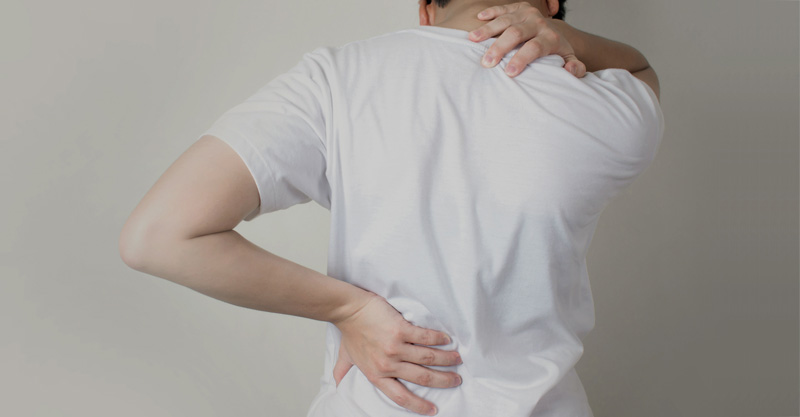

What is Lumbar Canal Stenosis?
Lumbar canal stenosis refers to the narrowing of the spinal canal in the lower back (lumbar region), which can compress the spinal cord and nerves. This narrowing can be caused by age-related changes, herniated discs, bone spurs, or thickened ligaments. The condition can lead to symptoms such as:
- Lower back pain
- Numbness or tingling in the legs
- Weakness or cramping in the legs
- Difficulty walking or standing for long periods
Causes of Lumbar Canal Stenosis
The primary causes of lumbar spinal stenosis include:
- Degenerative changes: Age-related wear and tear on the spine.
- Herniated discs: Discs that bulge into the spinal canal.
- Bone spurs: Extra bone growths that can narrow the spinal canal.
- Thickened ligaments: Ligaments that become stiff and enlarge, reducing space in the spinal canal.
- Spinal injuries: Accidents or trauma that affect the spine.
Symptoms of Lumbar Spinal Stenosis
Symptoms may develop gradually and worsen over time:
- Pain or cramping in the legs while walking or standing
- Numbness or weakness in the buttocks, thighs, or calves
- Relief when sitting or bending forward
- Difficulty walking long distances
- In severe cases, loss of bladder or bowel control
If you’re experiencing these symptoms, consult the best doctors for lumbar spinal stenosis treatment in Mumbai at D Spine for timely diagnosis and care.
Lumbar Canal Stenosis Diagnosis
Accurate diagnosis is key to effective treatment. Our specialists use:
- X-rays to assess spinal alignment and bone structure
- CT scans for detailed imaging of the spinal canal
- MRI to visualize nerve compression and soft tissue
- Myelogram with contrast dye to detect pressure on the spinal cord
Our lumbar canal stenosis diagnosis process ensures clarity and precision for every patient.
Treatment Options
Non-Surgical Treatments
For mild to moderate symptoms, non-surgical treatments may include:
- Physical therapy: Exercises to strengthen muscles and improve flexibility.
- Medications: Pain relievers and anti-inflammatory drugs.
- Epidural steroid injections: To reduce inflammation and relieve pain.
- Lifestyle modifications: Weight management and activity adjustments.
Surgical Treatments
If conservative treatments are ineffective, surgical options may be considered:
- Laminectomy: Removal of part of the vertebra (lamina) to relieve pressure on the spinal cord.
- Laminotomy: A less invasive procedure that removes a portion of the lamina.
- Spinal fusion: Joining two or more vertebrae to stabilize the spine.
- Foraminotomy: Enlarging the openings where nerves exit the spinal canal.
Our team at D Spine will work closely with you to determine the most appropriate treatment plan based on your specific condition and needs.
Why Choose D Spine?
- Recognized as a leading lumbar canal stenosis treatment clinic in Mumbai
- Experienced team of spine specialists and physiotherapists
- Personalized treatment plans for every age and condition
- Minimally invasive surgical options with faster recovery
- Comprehensive care from diagnosis to rehabilitation
Whether you’re seeking a lumbar spinal stenosis cure or expert surgical care, D Spine provides trusted solutions backed by experience and compassion.
FAQ
Lumbar canal stenosis is a condition where the spinal canal in the lower back narrows, putting pressure on the spinal cord and nerves. This can cause pain, numbness, or weakness in the legs. D Spine provides advanced lumbar canal stenosis treatment in Mumbai for all severity levels.
Typical symptoms include lower back pain, numbness or tingling in the legs, leg weakness, difficulty walking or standing for long periods, and, in severe cases, loss of bladder or bowel control. Early evaluation by lumbar canal stenosis treatment doctors is crucial.
Mild to moderate cases may respond to non-surgical treatments, including physiotherapy, medications, steroid injections, and lifestyle modifications. These approaches are guided by our best lumbar spinal stenosis doctors at D Spine, Mumbai.
Recovery time varies depending on the procedure, but most patients gradually resume normal activities within 4–6 weeks. Our post-operative rehabilitation ensures optimal recovery and mobility.
Recurrence is uncommon with proper management, including surgery when needed, physiotherapy, and lifestyle adjustments. Regular follow-ups with lumbar canal stenosis treatment doctors help monitor spinal health.