
Spinal Fracture Surgery in Mumbai
Non Surgical Spine Treatments
Surgical
Recent Advances
Teleconsultation
CALL FOR APPOINTMENT
8960599999 / 9999985957
drdhanish@dspinesurgeon.com
D Spine Clinic provides specialist assessment and Spinal Fracture Surgery in Mumbai for fractures caused by trauma, osteoporosis and selected underlying spinal conditions.
Treatment depends on the type of fracture, spinal stability, neurological findings and overall health of the patient. Not every spinal fracture requires surgery. Dr Dhanish Mehendiratta evaluates the injury and recommends surgical stabilisation, decompression or vertebral augmentation only when clinically indicated.
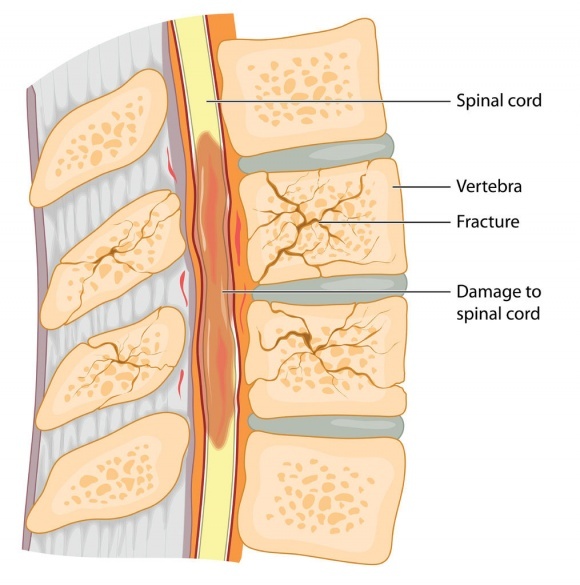
Spinal Fractures We Evaluate
A spinal fracture occurs when one or more vertebrae break, collapse or lose their structural integrity.
Different Types of Spine Fractures include:
- Compression Fractures – commonly seen with osteoporosis and associated with collapse of the vertebral body
- Burst Fractures – fractures in which the vertebral body is disrupted in multiple directions, often following significant trauma
- Flexion-Distraction Fractures – injuries involving separation of spinal structures, typically following high-energy trauma
- Fracture-Dislocations – severe injuries where fracture is accompanied by abnormal displacement and instability
Fractures can also occur when bone has been weakened by conditions such as osteoporosis, tumour or infection. These require assessment of both the fracture and its underlying cause.
When a Spinal Fracture Needs Urgent Assessment
Following significant trauma, urgent medical assessment is required if severe neck or back pain is accompanied by:
- Weakness or loss of movement in an arm or leg
- Numbness or altered sensation
- Difficulty walking
- Loss of bladder or bowel control
- Significant spinal deformity
- Severe pain after a major fall, road accident or other high-impact injury
Patients with major trauma or new neurological symptoms should seek emergency medical care rather than wait for a routine clinic appointment.
What Criteria Determine if I Need Spinal Fracture Surgery?
Not every fracture needs an operation.
What criteria determine if I need spinal fracture surgery? The decision is based on the fracture pattern, spinal stability, neurological status, degree of deformity and whether the fracture can heal safely without surgery.
Surgery may be considered when:
- The fracture has caused significant spinal instability
- A nerve or the spinal cord is compressed
- Weakness or other neurological deficits are present
- There is significant or progressive deformity
- A fractured vertebra cannot be managed adequately with non-surgical treatment
- Selected painful vertebral compression fractures remain symptomatic despite appropriate treatment
Assessment and Imaging at D Spine Clinic
Dr Dhanish reviews how the fracture occurred, pain and neurological symptoms, medical history and any previous investigations.
Imaging is selected according to the clinical situation.
X-rays may help assess alignment, vertebral collapse and deformity.
CT Scan provides detailed information about the fracture pattern and bony anatomy.
MRI may be required when spinal cord, nerve, disc or ligament injury needs further assessment.
For fractures occurring after minor trauma or without a clear injury, bone health and possible underlying conditions may also need to be investigated.
Surgical Treatment for Spinal Fractures
The operation is selected according to the type and severity of the fracture.
Spinal Stabilisation
Screws, rods or other implants may be used to stabilise an unstable fracture and maintain spinal alignment while healing occurs.
Decompression
When fractured bone, disc material or another structure is compressing the spinal cord or nerves, decompression may be performed as part of the surgery.
Vertebroplasty and Kyphoplasty
These minimally invasive procedures may be considered for selected painful vertebral compression fractures, particularly those related to weakened bone. Bone cement is used to stabilise the affected vertebra.
The same procedure is not appropriate for every fracture.
Why Choose D Spine Clinic for Spinal Fracture Surgery?
- Spinal Trauma Expertise: Dr Dhanish Mehendiratta has specialist training in spinal trauma and complex spine surgery.
- Fracture-Specific Planning: Treatment is selected according to stability, neurological findings and the individual fracture pattern.
- Surgical Options: Care may include vertebral augmentation, decompression, stabilisation or selected minimally invasive techniques.
- Second Opinions: Patients already advised fracture surgery can consult for review of scans and the proposed surgical plan.
Consult Dr Dhanish Mehendiratta for a Spinal Fracture
Dr Dhanish Vinod Mehendiratta is an Orthopaedic Spine Surgeon with specialist training in spinal trauma, cervical and lumbar spine surgery.
His fellowships include spine training at Hinduja Hospital, the Indian Spinal Injuries Centre and Nottingham University Hospitals, where his training included spinal trauma and complex deformity surgery.
Patients comparing spine surgeons in Mumbai for a spinal fracture should consider experience with spinal trauma, neurological assessment and both operative and non-operative treatment pathways.
Book a Spinal Fracture Consultation
Consult Dr Dhanish Mehendiratta for fracture assessment, review of scans, surgical planning or a second opinion.
Frequently Asked Questions
Can a spinal fracture heal without surgery?
Yes. Some stable fractures can heal with pain management, activity modification, bracing where appropriate and treatment of underlying bone weakness. Whether surgery is needed depends on stability, neurological findings and the fracture pattern.
What should I bring to a spinal fracture consultation?
Bring available X-rays, CT or MRI scans, hospital or emergency reports, prescriptions and details of how the injury occurred. If surgery has already been recommended, bring the proposed treatment plan as well.
What are Osteoporotic Vertebral Compression Fractures (OVCF)?
These are fractures in which a vertebral body becomes compressed or collapses because osteoporosis has weakened the bone. They can sometimes occur after a relatively minor fall or movement rather than major trauma.
Will I be able to walk after spinal fracture surgery?
Mobilisation depends on the fracture, neurological condition and procedure performed. Many patients are encouraged to begin moving once the treating team considers it safe, while more complex injuries may require a different rehabilitation plan.
How long does recovery take after spinal fracture surgery?
Recovery varies considerably. A minimally invasive vertebral augmentation procedure and a complex stabilisation surgery have very different recovery pathways. The expected hospital stay, mobilisation and return to daily activity are discussed once the exact procedure is planned.
Will I need physiotherapy after spinal fracture surgery?
Rehabilitation may include physiotherapy, walking progression and strengthening depending on the injury and operation. Patients with osteoporosis may also need assessment and treatment of bone health to reduce the risk of future fractures.
Can I get a second opinion if spinal fracture surgery has already been advised?
Yes. A second opinion can review the fracture pattern, spinal stability, neurological findings and imaging, and clarify whether surgery is needed and which procedure is appropriate.
Medical Disclaimer
The information on this page is intended for general patient education and does not replace a medical consultation, diagnosis or individual treatment advice. Suitability for artificial disc replacement depends on a patient’s symptoms, clinical examination, imaging and overall spinal condition. Treatment recommendations may vary from person to person.